Sightseeing Around Archna Rann Stay
All the major sights of north Kutch are within easy reach of our Bhungas. Ask us for travel assistance when planning your day trips.
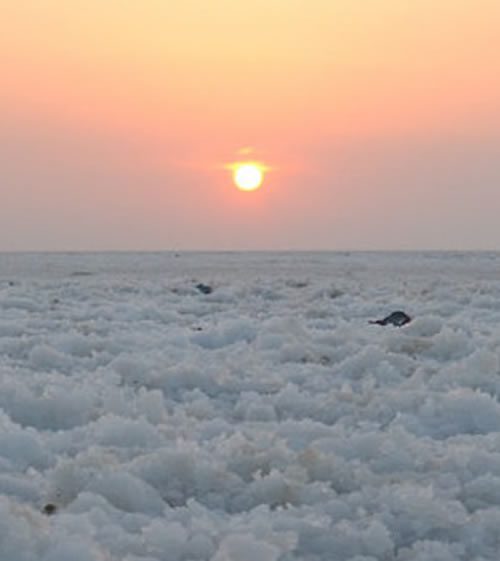
White Rann
A seasonal salt marshland at the edge of the Thar Desert, with Gujarat on one side and Pakistan's Sindh province on the other. Spread over roughly 7,505 square kilometres, it is one of the largest salt deserts in the world — its salt crystals dazzle like millions of diamonds under the sun, and the winter Rann Utsav festival is held here.
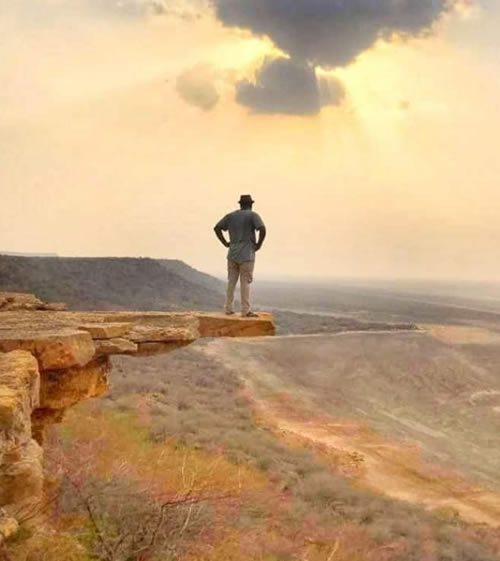
Black Hill (Kalo Dungar)
Kutch is one of India's biggest districts, with Bhuj as its capital. About 70 km north of Bhuj lies the village of Khavda, beside a group of hills that includes Kalo Dungar — the Black Hill, with sweeping views over the Great Rann.
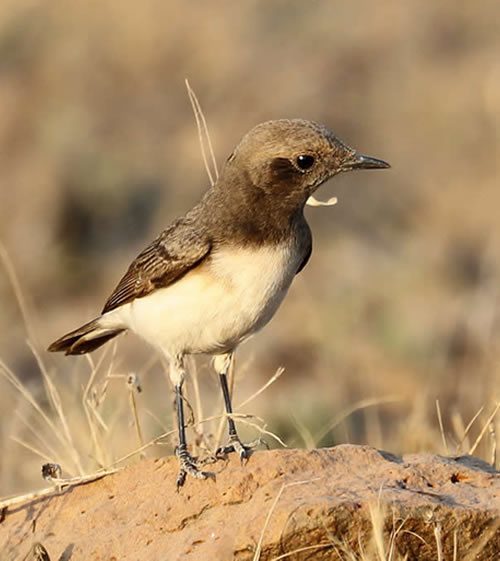
Banni Biodiversity
Banni covers an area of about 3,847 sq km. The land is absolutely flat — only 3 to 5 metres above sea level — and more than two-thirds of it is highly saline. It is home to rich birdlife, pastoral communities and celebrated handicrafts.
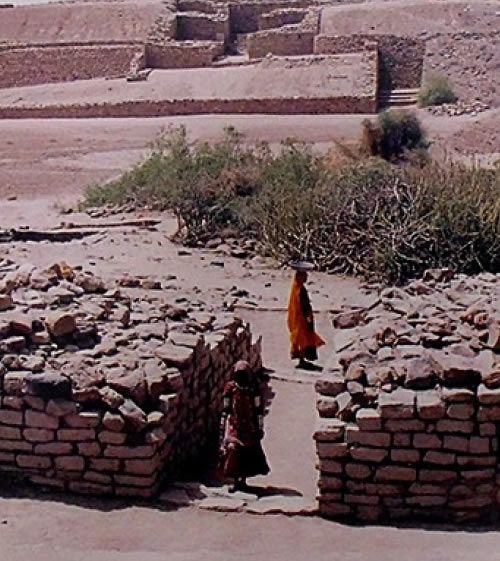
Dholavira
Dholavira is one of the five largest Harappan sites in the world and the biggest in India — a remarkable excavation of the Indus Valley Civilisation dating back about 4,500 years, set in the intense landscape of the Great Rann of Kutch.
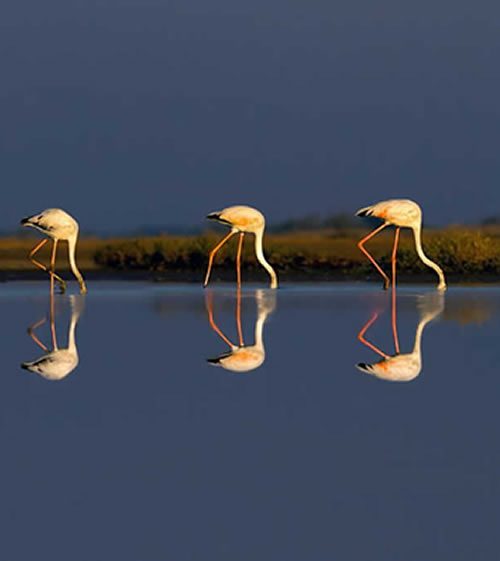
Chhari Dhand
The Chhari-Dhand wetland conservation reserve sits on the edge of the arid Banni grasslands and the marshy salt flats of the Rann of Kutch. It is legally protected as a reserve and is a haven for migratory birds in winter.
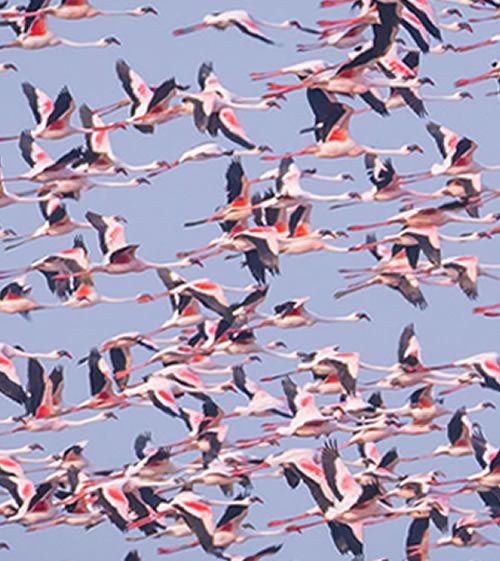
Flamingo City
A low-lying stretch of land that alternates between lagoon and desert, the Rann of Kutch is home to beautiful pink flamingos. They arrive after each monsoon to build their nests, breed through the winter and leave as summer comes.